Stained Glass the Last Supper of Jesus Crafts
As a designer who regularly works with branding, packaging, and digital assets, I’ve come across countless design elements that claim to elevate a project. Stained Glass the Last Supper of Jesus is one such creative design that carries a unique visual weight. Its intricate patterns and rich historical context make it a compelling choice for specific client projects, especially those rooted in artisanal, handmade, or thematic aesthetics.
A First Impression of Timeless Elegance
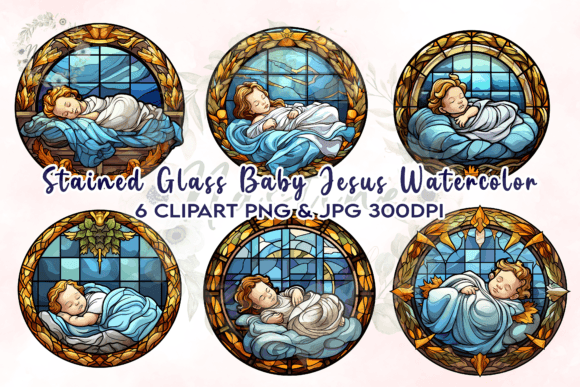
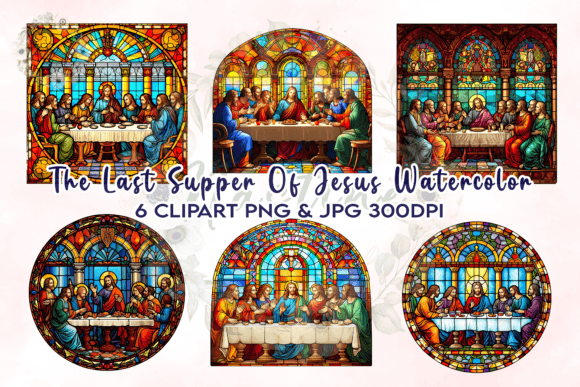
The first thing that strikes you about Stained Glass the Last Supper of Jesus is its ability to evoke a sense of reverence and artistry. The design features bold geometric shapes, vibrant color contrasts, and detailed line work that mimic traditional stained glass techniques. This aesthetic is ideal for projects that aim to convey a sense of craftsmanship, heritage, or spiritual depth.
It fits naturally into crafts, particularly for small business branding, Etsy products, or print-on-demand items that seek to stand out with a vintage or artisanal feel. The visual mood is warm and inviting, making it a strong candidate for seasonal campaigns, holiday promotions, or themed merchandise.
Real-World Applications for Designers
In real design situations, Stained Glass the Last Supper of Jesus can be a powerful tool. Whether used as a logo element, a background for product labels, or a decorative accent in packaging design, it adds a level of sophistication that can elevate a brand’s visual identity. It also works well in social media graphics, blog visuals, and editorial layouts where storytelling and visual interest are key.
For example, if a client runs a handmade jewelry brand looking to launch a limited edition collection inspired by religious iconography, this design could serve as a central motif. It could appear on t-shirt designs, tote bags, or even as a sublimation design for custom mugs. Its versatility makes it a valuable addition to any design bundle.
Where It Shines: Large Layouts and Thematic Projects
This design excels in large layout areas, such as hero graphics, product mockups, and campaign visuals. Its intricate details make it perfect for decorative accents in themed collections, where it can act as a focal point without overwhelming the overall composition. It also works well in printable designs, Canva templates, and Cricut projects that require a high level of detail and artistic flair.
When used in packaging design or as part of a marketing collateral set, it adds a touch of authenticity and visual richness that can differentiate a product from competitors. It’s especially effective when paired with serif fonts or handwritten styles that complement its ornate nature.
Where to Use It Carefully: Minimalist and Corporate Projects
However, Stained Glass the Last Supper of Jesus may not be suitable for all design scenarios. In minimalist branding or professional corporate materials, its complexity can clash with the need for clarity and simplicity. It might also struggle in low-contrast environments or crowded layouts where visual hierarchy is critical.
Designers should avoid using it in projects that require very clean visual hierarchy or where the focus must remain on text-heavy content. In such cases, simpler design assets or more modern design elements would be more appropriate.
Impact on Branding and Audience Engagement
When integrated thoughtfully, Stained Glass the Last Supper of Jesus can enhance a brand’s emotional appeal and recognition. Its visual richness contributes to a stronger sense of trust and professionalism, especially in handmade businesses or small business branding efforts. It can also increase audience engagement by offering a visually compelling element that stands out in social media posts or digital ads.
That said, it’s important to ensure that the design aligns with the brand’s voice and values. If the brand is modern or tech-forward, this asset may not resonate as effectively. It’s best suited for brands that embrace tradition, artistry, or narrative-driven visuals.
Practical Designer Notes: What to Check Before Use
Before incorporating Stained Glass the Last Supper of Jesus into a client project, there are several practical considerations. Test it in black and white to see how it holds up without color. Check contrast on both light and dark backgrounds to ensure visibility. Preview it at various sizes to confirm it remains legible and impactful.
Place it on real mockups to see how it interacts with other design elements. Review file formats—whether PNG, SVG, or clipart—to ensure they meet the project’s needs. If transparency is involved, inspect the PNG design carefully. For vector-based use, confirm the SVG design is editable and scalable.
Also, compare it with different font styles to see how it pairs with serif, sans serif, script, or display fonts. Finally, always verify commercial licensing before using it for a client or business project. A commercial license ensures that the design can be used without legal issues, which is crucial for print-on-demand or Etsy product creators.
Final Thoughts: A Unique Asset for the Right Project
Stained Glass the Last Supper of Jesus is not a one-size-fits-all design asset. It thrives in projects that value creativity, craftsmanship, and visual storytelling. For designers working on handmade businesses, small business branding, or themed campaigns, it offers a distinctive visual language that can elevate a project’s overall look and feel.
Its strength lies in its ability to add depth and character to a design, provided it’s used in the right context. When applied with care and consideration, it can become a standout element that resonates with audiences and supports the brand’s identity. For the right client, it’s more than just a graphic design asset—it’s a meaningful creative choice.